
Strong Introduction
Tesla can be repaired at a generic body shop, but that doesn’t mean it should be. Tesla’s use lightweight aluminum, bonded structural panels, high-voltage battery packs, and tightly integrated software. Those systems behave differently from older gas cars. If repairs are done incorrectly, you can lose crash protection, battery safety, and even the car’s autopilot accuracy.
We’ve worked with EV technicians and collision repair shops that specialize in Teslas, and we’ve seen firsthand how certified repairs preserve safety and value. In this article, you’ll get clear reasons to choose certified experts, what certified work actually covers, how to evaluate a shop, and what to expect during the repair. You’ll also find practical pro tips and a short table that helps you quickly compare certified versus non-certified repairs. By the time you finish, you’ll know when it’s worth insisting on certification and how to protect your vehicle and wallet.
Problem Details: Why Tesla repairs are different
Tesla bodies often use aluminum or mixed alloys. Aluminum requires different welding, straightening, and adhesives than steel. If a technician tries to use steel repair techniques, parts can weaken or fit poorly.
Beyond metals, Teslas have sensors, cameras, and radar tied to safety systems called ADAS (advanced driver-assistance systems). These systems must be recalibrated precisely after body or glass work. Finally, the battery pack sits under the floor and can be damaged in underbody impacts. Battery damage risks fire or permanent capacity loss if not diagnosed correctly.
Solution Analysis: What certified experts do differently
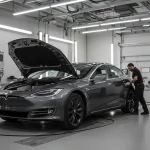
Certified Tesla repair centers follow manufacturer procedures. That means they use approved welding methods, replacement parts, torque specs, and software tools. They also perform sensor recalibration with factory-grade equipment and run post-repair diagnostics on the battery, wiring, and vehicle control modules.
A certified expert will document every step. That documentation keeps your warranty intact and helps with insurance claims. It also protects resale value: vehicles with documented OEM-quality repairs hold value better than those repaired with non-OEM parts or unverified methods.
Pro Tip: Ask any shop you consider to show proof of Tesla certification and examples of recent Tesla repairs. Real shops can share service logs or before/after photos.
Process: What to expect during a certified repair
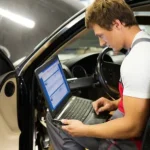
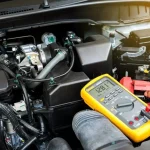
First, the shop performs a full vehicle inspection and diagnostic scan. That reveals structural, electrical, and software faults. Next comes disassembly to assess hidden damage. If a battery or high-voltage component is involved, trained technicians isolate and safely discharge the system before repair.
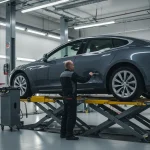
Structural work uses frame racks and aluminum-approved equipment. Panels are replaced or repaired per Tesla guidelines. Reinstalled sensors and cameras are then calibrated using factory software. Finally, the technician runs a full system check and a road test to confirm everything functions as expected.
Comparison: Certified vs Non-Certified Repairs
| Feature | Certified Tesla Repair | Non-Certified Repair |
|---|---|---|
| Manufacturer procedures followed | Yes | Often no |
| Aluminum welding & adhesives | OEM-approved methods | Possibly wrong techniques |
| Sensor/ADAS recalibration | Performed with factory tools | May be skipped or imprecise |
| Battery high-voltage safety handling | Trained technicians only | Risk of improper handling |
| Documentation for warranty and insurance | Detailed logs | Limited or none |
| Long-term vehicle value | Better preserved | Possibly reduced |
Cost Factors: What affects price (not specific numbers)
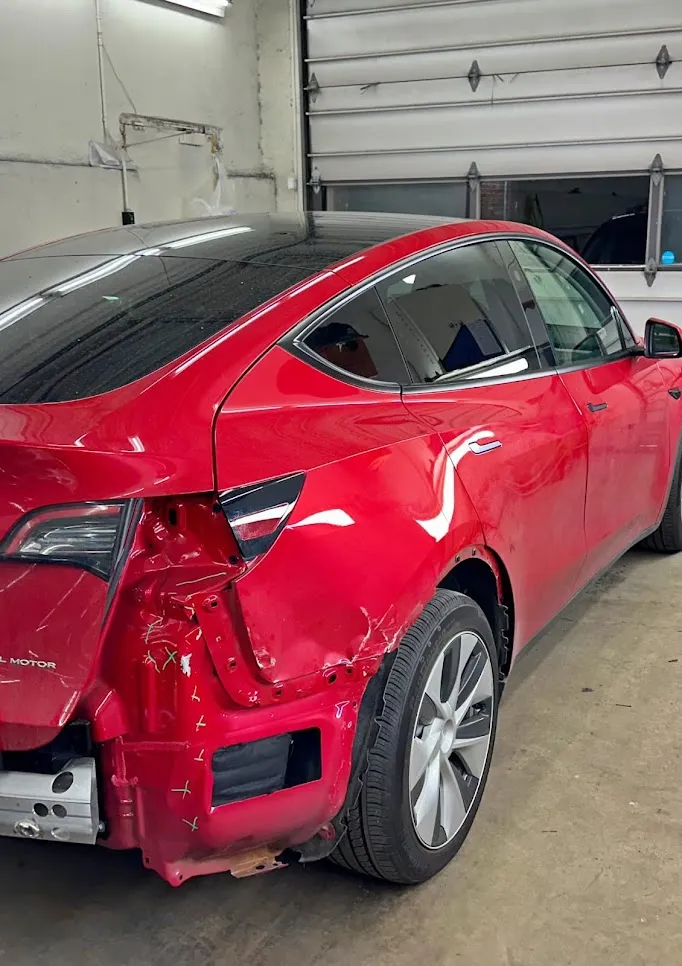
Repair cost depends on damage severity, parts required, and whether electronics or battery systems were affected. Labor rates for certified shops can be higher because technicians are trained and use specialized equipment. Insurance agreements and OEM part sourcing also influence the timeline and cost.
Don’t base decisions only on the lowest estimate. A cheap repair that uses improper methods can cost you more later in lost performance, safety, or resale value.
Pro Tip: If your insurer pushes a non-certified shop, insist on written confirmation that OEM procedures and parts will be used, and get a second opinion.
Decision Factors: How to choose a repair shop
Look for documented Tesla certification and experience. Ask how they handle high-voltage systems and whether they have factory diagnostic tools. Request references and photos of past Tesla work. Make sure the shop provides a written repair plan and warranty on labor and parts.
Also, check whether the shop coordinates directly with your insurance company and whether they will provide full documentation for warranty and resale purposes.
Before You Book Tesla Collision Repair: What to Check
- Verify Tesla-specific certifications and training.
- Confirm the shop uses OEM or Tesla-approved replacement parts.
- Ask how they handle battery diagnostics and high-voltage safety procedures.
- Make sure ADAS sensor recalibration is included in the estimate.
- Request a written warranty and a copy of diagnostic reports after repair.
Pro Tip: Take photos of vehicle damage and any dashboard warnings before leaving the scene or tow lot. That record helps the shop and insurer find hidden issues faster.
Common Mistakes to Avoid
One common mistake is accepting repairs that skip sensor recalibration to save time. That can leave lane-keeping, automatic braking, or adaptive cruise control misaligned. Another error is letting technicians attempt aluminum repairs without proper tools—this leads to warped panels or weak joints.
Key Questions Readers Ask
Can anybody shop fix my Tesla?
Technically, yes, but not every shop has the training, equipment, or procedures Tesla requires. For structural, electrical, or sensor-related repairs, you should choose a certified Tesla repair center.
Will insurance cover certified repairs?
Most insurers will pay for certified repairs if you request them. You may need to push back if the insurer suggests a cheaper, non-certified shop. Keep documentation and get estimates in writing.
How long do certified repairs take?
Timelines vary by damage type. Structural and electronics work takes longer than cosmetic repairs because of diagnostics, part ordering, and sensor calibration. Expect a certified repair to take longer than a quick paint-and-dent job, but that extra time is for safety and quality.
What happens if my Tesla needs battery or high-voltage work?
Certified shops follow strict safety protocols: the pack is isolated, drained, and tested. Only technicians trained in high-voltage systems should work on batteries. If a shop can’t show that process, don’t let them touch the battery.
Conclusion
Your Tesla is a high-tech vehicle that requires specific care after a collision. Choosing a certified repair center isn’t about prestige; it’s about safety, warranty protection, and long-term value. If you want experienced, documented service, CARSTAR Quality Auto Body and Tesla Service works on Teslas and follows OEM procedures to protect your car’s safety systems and battery integrity. For help or to ask about a repair, email info@qualitycarstar.com or call (215) 355-5019.
Acting deliberately after a collision protects your family, your investment, and your car’s performance for years to come.